Features
Part of Heritage, archives, and public history reporting guide
Fictional case: correcting a historic building's opening date
Opening-date correction case covering event types, archival hierarchy, conflicting records, captions, timelines, plaque language, syndication, and prevention.
What to take away
- Construction, completion, dedication, opening, and first public use may have different dates.
- Preserve contrary records and test whether they describe separate events before choosing one.
- Correct the date, event label, timeline, captions, and any interpretation built on the error.
- Explain what changed without blaming a source for the publication's unsupported compression.
- Add event-type fields and confidence labels to future historical date checks.
This fictional case concerns an invented building, archive, newspaper, plaque, and reporting team. It shows a correction method without making claims about real people or properties.
The error
Magscape published a feature on the fictional Harbor Exchange Hall. It said the building "opened on October 12, 1912," and used that date in the headline, timeline, image caption, meta description, and a newsletter.
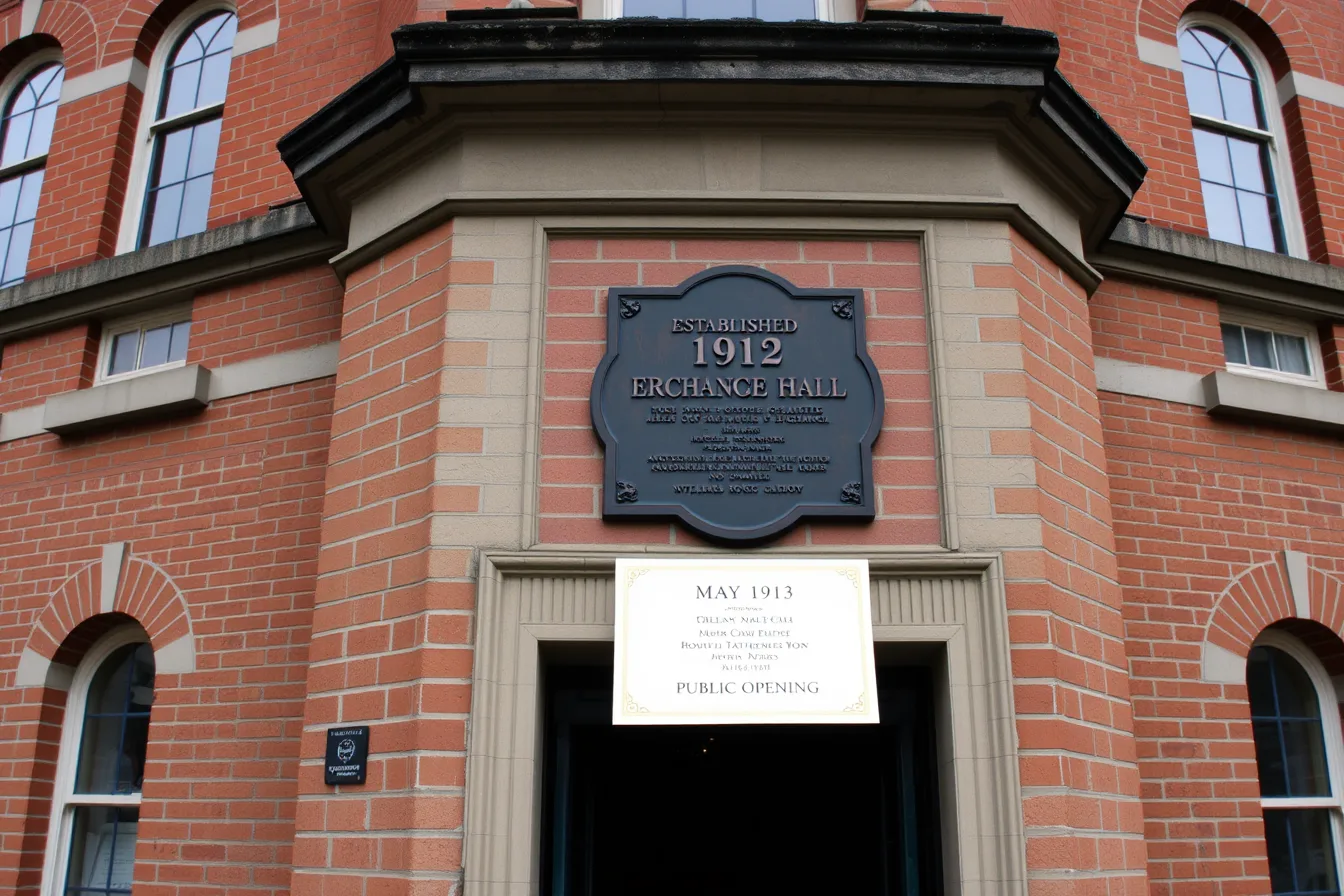
The date came from a bronze plaque reading "Established 1912" and a catalog description for a photograph titled "Opening of Harbor Exchange, Oct. 12, 1912." The reporter did not inspect the photograph's reverse or the collection series. The story interpreted the 1912 event as the start of public trading in the hall.
The challenge
A local researcher sent a scan of a May 1913 invitation headed "Public Opening." A city directory first listed tenants that year. The researcher suggested that the 1912 photograph showed the cornerstone ceremony, not the opening.
The editor added a temporary note and preserved the original article, plaque photograph, catalog page, emails, and source log. The claim was consequential because the story used the date to describe the hall's relation to a 1912 labor dispute.
Rebuild the chronology
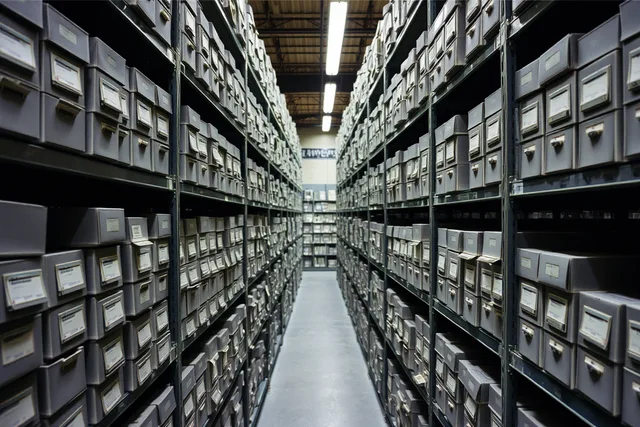
The team requested the photograph folder and related municipal files. The reverse carried a handwritten note: "Cornerstone exercises, 12 Oct. 1912." A typed caption added decades later used "opening." Minutes authorized construction in March 1912, a completion certificate was dated April 1913, the public invitation named May 8, and a tenant ledger began May 10.
The National Park Service registration-form guidance provides separate fields and instructions for construction dates, significant dates, historic functions, narrative description, and significance. The guide does not decide the fictional hall's history, but it supports keeping date types tied to the events they describe.
The team classified the evidence:
| Date | Event | Support | Confidence |
|---|
Harbor Exchange Hall chronology
- March 4, 1912construction authorized
- October 12, 1912cornerstone ceremony
- April 19, 1913completion certificate issued
- May 8, 1913public opening invitation
- May 10, 1913tenant ledger begins
No single date needed to absorb the others.
Check uncertainty and description history
The archivist confirmed that the online title was supplied during a cataloging project and would be reviewed. Magscape cited the item by collection, series, folder, and identifier while distinguishing the supplied title from the handwritten note.
The Library of Congress MADS temporal-element guidance recommends marking uncertain or cataloger-supplied dates through qualifiers and representing known decades or centuries as qualified ranges. That structured approach supports a newsroom rule: uncertainty belongs in the date data, not only in a later explanatory paragraph.
Revise all affected meaning
The correction changed more than one number. The feature no longer linked public trading inside the hall to the October 1912 dispute. It instead reported that the cornerstone ceremony occurred during the dispute and that documented public opening followed in May 1913.
The headline, meta description, timeline, caption, newsletter archive, and licensed copy were updated. The plaque remained relevant as evidence of later commemoration, not as proof of an exact opening date.
Published notice
Correction, June 24, 2027: An earlier version said Harbor Exchange Hall opened on October 12, 1912. Records identify that date as its cornerstone ceremony. A completion certificate was issued in April 1913, and a public-opening invitation names May 8, 1913. We revised the headline, text, timeline, caption, metadata, and related interpretation.
Prevention
Historical dates now require an event-type label, source hierarchy, confidence level, and check for later captions. Timelines cannot use "opened," "built," or "founded" unless the source establishes that exact event.
Historical date verification checklist
- Assign an event-type label
- Record source hierarchy
- Set confidence level
- Check later captions
- Avoid opened, built, founded unless sourced
Common questions
Why not keep 1912 as the opening year?
Because the available records identify a cornerstone event in 1912 and a public opening in 1913.
Was the catalog description useless?
No. It located the item, but the folder and reverse supplied context that changed the event identification.
Should Magscape wait for the archive to revise its catalog?
No. The publication can correct its own copy while accurately describing the repository's review.
Is the plaque wrong?
"Established 1912" may refer to authorization or institutional origin. It does not state an exact public-opening date.