Reviews
Part of Heritage, archives, and public history reporting guide
Public history coverage formats compared, and when each fits
Public history formats compared across archive features, site reports, oral histories, object biographies, commemoration stories, document explainers, and timelines.
What to take away
- An archive feature explains a collection and its silences; a document explainer analyzes one record in context.
- A site report joins present observation to historical research without treating place as self-explanatory.
- Oral history records a collaborative interview and memory, not a substitute transcript of all past events.
- An object biography follows creation, use, ownership, movement, repair, and reinterpretation.
- Timelines clarify sequence only when each date retains its event type and confidence.
The form determines what the reporting must deliver. Choose it before the research expands, then combine forms only with clear transitions.
Comparison table
Public history formats compared
Archive feature
- Central question
- What does collection reveal?
- Required material
- Finding aid, sample records
- Main risk
- Treating holdings as complete
Site report
- Central question
- How is history visible now?
- Required material
- Visit, maps, local voices
- Main risk
- Reading age from appearance
Oral history
- Central question
- How does narrator remember?
- Required material
- Consent, recording, context
- Main risk
- Extracting quotes without relationship
Object biography
- Central question
- What happened across object's life?
- Required material
- Object evidence, ownership gaps
- Main risk
- Inventing continuity
Central question
- Archive feature
- What does this collection reveal and omit?
- Site report
- How is history visible and interpreted here now?
- Oral history
- How does a narrator remember and frame experience?
- Object biography
- What happened across an object's life?
- Commemoration story
- Who is honored, by whom, how, and why now?
- Document explainer
- What is this record, and what can it support?
- Timeline
- In what sequence did defined events occur?
Required material
- Archive feature
- finding aid, sample records, creation history
- Site report
- visit, maps, records, local voices
- Oral history
- consent, recording, preparation, context
- Object biography
- object evidence, records, ownership gaps
- Commemoration story
- decision records, design, debate, observation
- Document explainer
- complete item, creator, purpose, related records
- Timeline
- dated evidence and confidence labels
Main risk
- Archive feature
- treating holdings as complete
- Site report
- reading age from appearance
- Oral history
- extracting quotes without relationship
- Object biography
- inventing continuity
- Commemoration story
- repeating ceremonial claims
- Document explainer
- quoting outside context
- Timeline
- blending proposal, completion, and opening
Archive feature
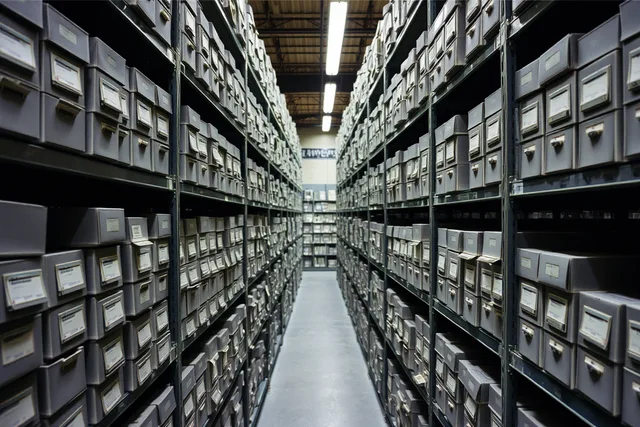
Report who created the records, why they were kept, how they were arranged, what years and formats survive, who described them, and how access works. Sample across the collection instead of building a thesis from the most striking item.
Site report
Date the visit and record route, setting, boundaries, fabric, alterations, labels, visitor use, access, and nearby community. The National Park Service historic-place analysis guide prompts close attention to location, size, shape, design, arrangement, setting, and other details. Those observations become historical evidence only after dating and comparison.
Oral history
Oral history includes both the recorded interview process and the products made from it. It requires preparation, clear expectations, informed participation, preservation planning, and agreed access. The narrator shapes what is relevant and appropriate to share.
Prepare from records before the interview, then use open questions that let the narrator establish sequence and emphasis. Keep the full recording, transcript status, edits, restrictions, and release terms clear. A polished excerpt can hide hesitation, correction, interviewer influence, or a change in meaning.
Editors should check quotations against the recording and retain enough context to represent the exchange fairly. When public facts conflict with recollection, ask follow-up questions and describe the difference without treating the narrator as a failed database.
The Oral History Association's principles and best-practices suite gathers guidance on ethics, interviewing, participant information, archiving, and social-justice work. For journalism, the central lesson is to explain the project and future use before recording, while recognizing memory as situated testimony.
Object biography
Follow the object through design, making, sale, use, ownership, repair, damage, collection, display, and reinterpretation. Separate documented stages from gaps. Physical marks may prompt questions but do not identify a former owner or event without support.
Commemoration story
Examine who proposed the memorial or anniversary, who funded and approved it, what language and design were chosen, whose objections were recorded, and how the public encounters it. A dedication speech establishes the speaker's claim, not unanimous community memory.
Document explainer
Identify record type, creator, recipient, date, purpose, original order, marks, attachments, and relation to its series. Quote the smallest useful passage. Explain vocabulary and missing context without pretending the document speaks for everyone involved.
Timeline
Give each entry one event and one evidence note. Separate design, authorization, construction, completion, dedication, first public use, closure, alteration, and reopening. Mark circa dates and disputed sequences.
Choosing the form
Use an archive feature for a body of records, a site report for present place, oral history for recorded memory, object biography for a material life, commemoration story for public memory, document explainer for one record, and timeline for sequence. If the lead promises one form, deliver its evidence before adding another.
Common questions
Can an oral history be fact-checked?
Public dates and claims can be checked while the narrator's memory remains attributed testimony.
Is an archive feature a review?
It may assess access or description, but its main task is reported explanation of a collection.
Can a timeline use only years?
Yes, if the evidence supports only years and the order remains clear.
Does an object biography require complete provenance?
No. It requires honest gaps and evidence for each stated stage.