Maintenance
Part of Heritage, archives, and public history reporting guide
Public history fact-check checklist for writers and editors
Public history fact-check checklist for archival hierarchy, people, dates, places, record context, oral history, images, ownership, access, gaps, and corrections.
What to take away
- Identify the record, its creator, purpose, date type, hierarchy, repository, and access conditions.
- Verify people through names, relationships, roles, places, and dates rather than name matching alone.
- Keep observation, record content, testimony, institutional interpretation, and inference distinct.
- State gaps and restrictions without guessing why material is absent.
- Check captions, timelines, maps, metadata, and promotional text after the article body.
Mark each item verified, qualified, not applicable, or unresolved. Preserve the source trail for corrections.
Research question and scope
- Exact place, collection, event, people, and period named
- Present decision or reason for coverage stated
- Variant names, former addresses, agencies, and boundaries logged
- Terms changed over time identified
- Research cutoff and visit dates recorded
Record identity
- Repository and collection or record group confirmed
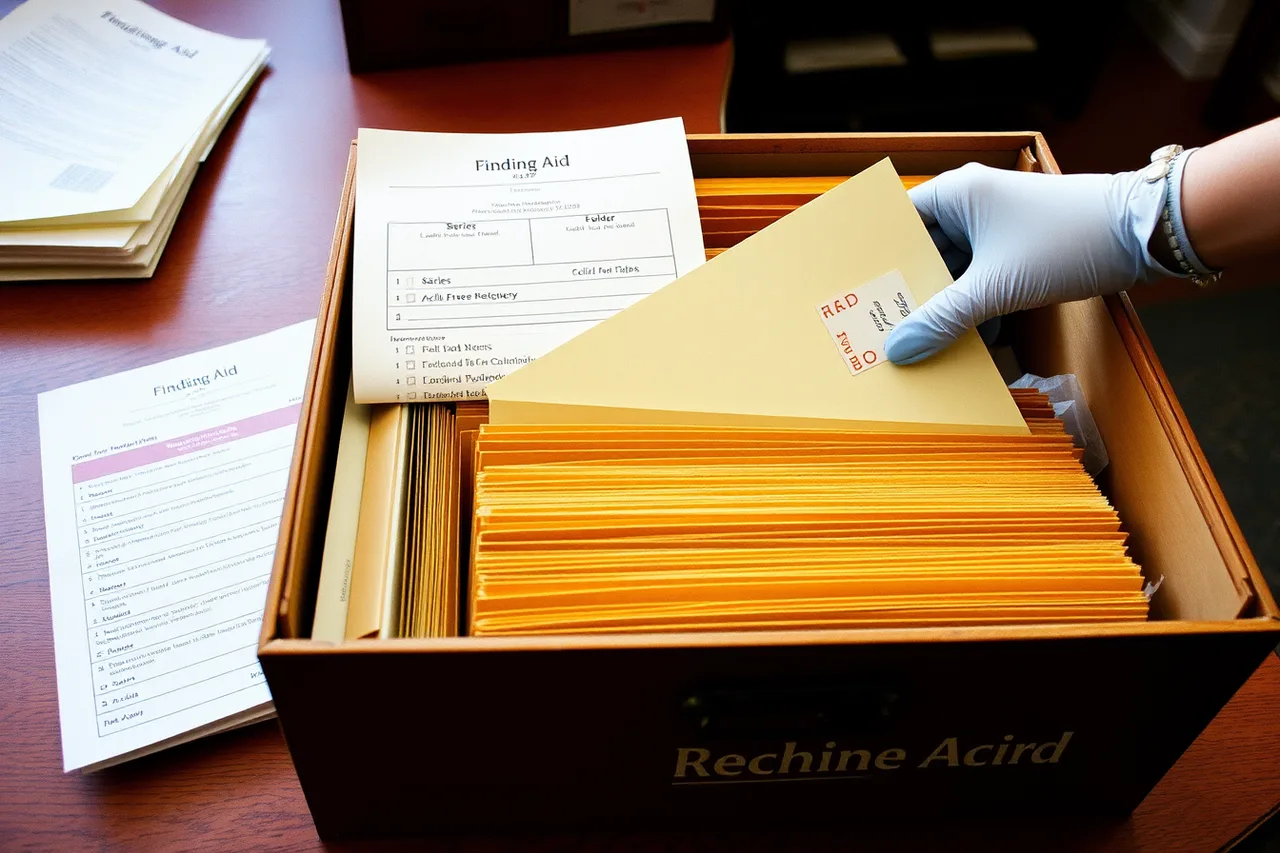
- Series, subseries, box, folder, and item captured as available
- Creator distinguished from subject, custodian, donor, and cataloger
- Supplied title distinguished from title written on the item
- Creation, publication, accession, cataloging, and digitization dates separated
- Rights statement and access restriction copied accurately
The Library of Congress primary-source analysis guides organize work around observation, reflection, questioning, and further investigation, with format-specific prompts for manuscripts, maps, oral histories, photographs, newspapers, sound, and other materials. Use the relevant format guide before extracting facts.
Context and content
- Entire item reviewed, including reverse, envelope, attachments, and annotations
- Intended audience and administrative purpose considered
- Quotation checked against image, transcript, or recording
- Summary does not exceed what the record states
- Related records and contrary evidence searched
- Historical language quoted only when necessary and contextualized
People and testimony
- Identity checked through more than a shared name
- Role matched to the relevant date
- Pronunciation, spelling, and preferred public identification confirmed when possible
- Oral-history consent and use conditions respected
- Private family, medical, legal, or location details justified by public relevance
Dates and chronology
- Exact, approximate, inferred, and disputed dates labeled
- Event type attached to every date
- Construction, completion, dedication, opening, and first use separated
- Calendar and numeric date ambiguity checked
- Later annotation not mistaken for original date
- Timeline order matches the underlying evidence
Place, property, and designation
- Historical and current place names distinguished
- Boundary used in the claim identified
- Owner, operator, tenant, and custodian separated
- Legal designation named precisely and dated
- Designation does not become a claim of restoration, funding, or access
- Present physical observations carry a visit date
Description quality
- Scope note read before assuming an item represents a whole series
- Record type and format named correctly
- Catalog description not substituted for unseen content
- Missing years, formats, or groups stated where material
- Unprocessed, restricted, damaged, and not digitized kept distinct
The National Archives scope-and-content guidance directs descriptions to identify subjects, places, languages, record types, arrangement, and the creating organization or person responsible while records were in primary use. Those elements help a reporter judge what a series may contain without assuming every item says the same thing.
Images, maps, and captions
- Depicted people and place verified
- Photographer or creator and creation date checked
- Caption date distinguished from image date
- Crop or colorization disclosed when it changes interpretation
- Map scale, legend, orientation, and boundary date checked
- Rights, source page, identifier, and modifications recorded
Final publication
- Headline and meta repeat no overstated claim
- Pull quotes preserve wording and speaker
- Timeline entries retain qualifiers
- Corrections cover captions, maps, newsletters, and licensed copies
- Notes show searches that returned no result when absence matters
Common questions
Is a catalog title always original?
No. It may be supplied later. Check the record and description fields.
Can two records conflict without either being false?
Yes. They may describe different events, versions, jurisdictions, or reporting dates.
Does "not digitized" mean unavailable?
No. It may be available on-site or by request, subject to repository rules.
When should a historical claim remain unresolved?
When available evidence conflicts or cannot identify the person, event, or date with defensible confidence.