Features
Part of Festival, subculture, and community arts reporting guide
Fictional case: correcting a collaborative mural credit
Mural credit correction case covering contracts, artist and participant roles, captions, authorship claims, partner copies, notices, source logs, and prevention.
What to take away
- "Community mural" does not identify who conceived, designed, painted, facilitated, or approved the work.
- Pause disputed credits and gather agreements, drafts, payment records, photographs, and participant accounts.
- Correct the named artist and every claim about participation or authorship that depended on the error.
- Update captions, alt text, social cards, event pages, partner copies, and image metadata.
- Store role-specific credits with evidence before future publication.
This fictional case uses invented people, organizations, contracts, and artwork. It demonstrates an editorial correction process and does not describe a real mural dispute.
The published credit
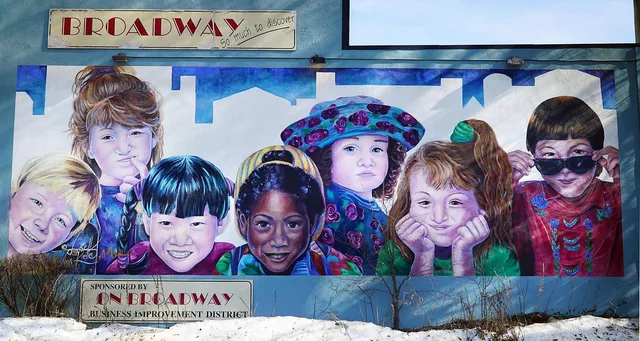
Magscape covered the fictional River Names mural and credited it to "lead artist Mara Venn with the East Wharf community." The article said residents co-designed the imagery during six workshops. A photograph caption shortened the credit to "Mural by Mara Venn," while a social card called it "a resident-created landmark."
The wording came from a project press release. The reporter did not see the artist agreement, workshop records, or final credit sheet.
The challenge
Two artists, Imani Cole and Tomas Rhee, wrote that they developed the final composition, painted most panels, and were contracted as co-designers. They said Venn facilitated early workshops but left before the design was resolved. Several residents also said their sessions gathered stories and color preferences rather than producing the final composition.
The editor removed the social card, added a temporary review note, acknowledged the complaint, and preserved all versions and messages. The publication asked the commissioner for contracts, amendments, invoices, design files, meeting notes, workshop materials, and the approved credit line.
Identify roles before ownership conclusions
The records showed that Venn created the initial concept and facilitated four listening sessions. Cole and Rhee were later hired through signed amendments to develop the composition and lead fabrication. Twelve paid assistants transferred and painted sections. Residents contributed stories, names, and palette responses through consultation, but no agreement called them co-designers.
Roles and Contributions
Mara Venn
- Concept
- Initial
- Workshops
- Led 4
- Design
- Left early
- Fabrication
- None
- Contract
- Original
Imani Cole & Tomas Rhee
- Concept
- Developed
- Workshops
- None
- Design
- Led
- Fabrication
- Led
- Contract
- Amendments
Residents
- Concept
- Stories
- Workshops
- Attended
- Design
- Palette input
- Fabrication
- None
- Contract
- No agreement
The U.S. Copyright Office compendium chapter on copyrightable authorship explains protection requires independent creation by a human author, fixation in a tangible medium, and at least a minimal degree of creativity. The Office analyzes these factors before registering a claim.
Magscape did not decide legal ownership. It used contracts and confirmed creative roles to correct its editorial credit. It advised the parties to seek their own legal guidance for any rights dispute.
Reinterview the participants
The editor interviewed each named artist separately and asked residents what they did during the sessions. Accounts agreed on the broad sequence but differed about how much early discussion shaped later imagery. The revised story preserved that disagreement.
The commissioner acknowledged its press release collapsed phases. He supplied the approved line: "Concept and community workshops by Mara Venn; mural design and fabrication led by Imani Cole and Tomas Rhee, with the East Wharf paint team."
Assistants who agreed to be named appeared in a separate contributor list.
Correct the participation claim
Calling the mural resident-created had overstated decision power. The revised article described consultation, named the material residents supplied, and reported that final composition authority rested with the contracted design leads and commissioner.
The NEA creative placemaking guide notes that public-art engagement can range from broad meetings and committee work to public contribution, and that an artist's work with a community may range from direct engagement to conceptual input. That range supports precise reporting rather than using participation as a single undifferentiated status.
Publish and distribute the correction
Magscape updated the article, headline, caption, alt text, social copy, image metadata, newsletter archive, and partner feed. The notice read:
Correction, June 30, 2027: An earlier version credited River Names to Mara Venn with residents as co-designers. Project agreements and participant interviews show that Venn created the initial concept and led community sessions, while Imani Cole and Tomas Rhee developed the final mural design and led fabrication with a paid paint team. Resident sessions contributed stories and palette responses. We revised the article, captions, metadata, and participation description.
Prevention
Future community-art assignments require a phase-by-phase credit table covering concept, engagement, design, fabrication, installation, photography, and maintenance. "Community-created" cannot appear without evidence of the decision and making roles it claims.
Common questions
Why not use the commissioner's first press release?
It was a lead, not sufficient evidence for detailed creative roles.
Did consultation make every resident a co-author?
The editorial record supported contribution to themes and palette responses, not a blanket co-design claim.
Can a newsroom decide copyright ownership?
It can report agreements and claims, but legal ownership disputes require qualified advice or adjudication.
Why update alt text and metadata?
They repeat attribution and may travel separately from the corrected article.