Rules
Part of Festival, subculture, and community arts reporting guide
Common community culture reporting problems
Community culture reporting problems and the fixes: outsider labels, crowd estimates, origin myths, missing labor, access claims, image consent, and archives.
What to take away
- Ask who uses a label like underground or traditional before you print it, and attribute the definition.
- An attendance figure is a measurementname the method, the margin, and who counted.
- Build a timeline from flyers, recordings and venue records, then mark where accounts disagree.
- Credit the roles you can see at setup and breakdown, and ask who was paid before assuming anyone volunteered.
- Fix a wrong name in the caption, the embed and the partner copy, not only in the body.
Coverage thins out when an event supplies color and the people, money and arguments disappear. These repairs keep the writing vivid and make it checkable.
The label arrives before the reporting
A reporter calls a scene underground, traditional, emerging, immigrant, DIY or youth-led without asking who uses the term and what it covers. Ask participants for their own names, the boundaries they draw, and which terms they reject.
Attribute the definition and describe the practice that makes it stick. The festival and community arts reporting guide sets out how to do that without flattening a scene into a genre.
A crowd estimate becomes a fact
A packed frame or an organizer's line turns into an exact attendance number. Repeat entry, free movement, multi-day programming and overlapping zones go unmentioned. Name the method: ticketing data, a gate count, a sample survey, or a capacity ceiling. Those are different numbers and they carry different errors.
Crowd count methods compared
Ticketing data
- What it measures
- paid entries
- Repeat entry
- counted once
- Free movement
- not captured
- Multi-day
- per day
- Overlapping zones
- not captured
- Main error
- duplicates
Gate count
- What it measures
- entries at gate
- Repeat entry
- counted each time
- Free movement
- not captured
- Multi-day
- per day
- Overlapping zones
- not captured
- Main error
- double counts
Sample survey
- What it measures
- estimated attendance
- Repeat entry
- varies
- Free movement
- partly captured
- Multi-day
- per day
- Overlapping zones
- partly captured
- Main error
- sampling bias
Capacity ceiling
- What it measures
- maximum allowed
- Repeat entry
- not measured
- Free movement
- not captured
- Multi-day
- per day
- Overlapping zones
- not captured
- Main error
- not attendance
The NEA outdoor arts festival study summary surveys audiences, programming, budgets and operating structure across a large cross-section of festivals. Use it for comparison only when the definitions and the sample line up with the event in front of you.
One origin story controls the scene
The most visible founder supplies a clean birth date. Earlier spaces, parallel groups, informal work and people who left all vanish.
Build a scene timeline
- Earlier spacesbefore the founder's date
- Parallel groupssame period, other organizers
- Informal workunrecorded gatherings and exchanges
- People who leftdepartures and splits
- Founder's clean datethe most visible origin story
Build a timeline from flyers, recordings, venue records, and photographs. Also include publications and objects. Talk to several generations of participants. The archival research walkthrough covers how to date undated material and log where each item came from.
Mark competing accounts instead of forcing consensus.
Community voices decorate an institutional story
An organizer defines the project and residents appear only in short approving quotes. Ask the affected people what question should be investigated, which decisions they actually held, and what the official account leaves out. Include disagreement where it is relevant, not as artificial balance.
Access gets reduced to free admission
A no-ticket event is called accessible. Transport, surfaces, distance, rest and captions stay untested. Sensory conditions, language, timing and food costs stay untested. Report each feature separately and say what you used, saw or confirmed with the venue. Price is one part of access. The venue's own published access statement is the authority on the rest.
Visible artists absorb invisible labor
Hosts, translators, sound crews and culture bearers are missing from the account. Cooks, fabricators, volunteers, access workers and cleanup teams are also missing. Follow setup and breakdown. Ask who was paid and credit people by role. Do not imply volunteer labor where the contracts are unknown.
The photograph is treated as simple evidence
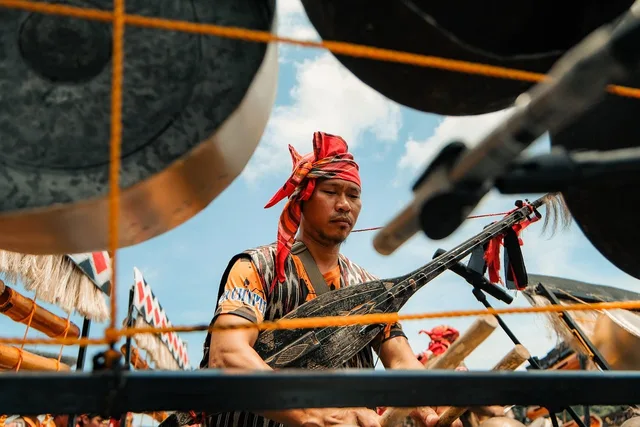
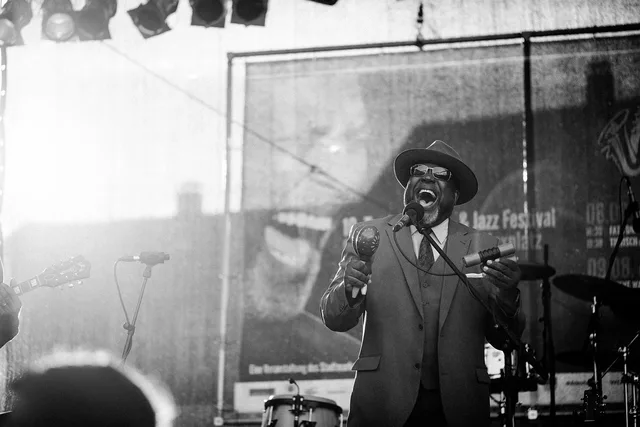
A performance image appears to identify a tradition, a participant or a ceremony without confirmation. A crowd shot exposes someone who expected contextual care. Before publication, confirm six things:
Confirm before publishing a photo
- What activity is depicted
- The names of the people shown
- The date and the place
- The photographer and the rights holder
- The crop and the caption
- Permission, or the reason none is needed
- What activity is depicted
- The names of the people shown
- The date and the place
- The photographer and the rights holder
- The crop and the caption
- Permission, or the reason none is needed
Keep the visual observation separate from the cultural interpretation.
Records are collected without a future
Interviews, photographs and schedules sit on personal drives with unclear names, rights or backups. Later writers cannot tell what may be quoted. Decide file structure, logs, consent, access, storage and deposit before you start collecting.
Decide before you collect
- File structure
- Logs
- Consent
- Access
- Storage
- Deposit
The Smithsonian Folklife Festival records description lists items from planning and production:
Records are collected
- photographs
- recordings
- notes
- drawings
- contracts
- correspondence
- publications
- objects
- born-digital material
It also notes that documentation comes from staff, volunteers, contractors, scholars and community researchers, which is why creator and context are essential metadata.
Correction stops in the body
A corrected artist name stays wrong in the caption, the schedule embed, the social card and the partner copy. Search every output for the error, send corrected language to licensees, and note the change where readers first met it.
The wrong translation correction case shows how far a single misattributed credit can travel.
The verification checklist is the pre-publication pass that catches most of these before they ship.
Common questions
Can a reporter use a scene name that participants reject?
Only when the outside label is itself the story, and then with clear attribution and context. Say who applies the term and who disputes it. A rejected name printed without that framing reads as the reporter's own verdict.
Are social posts archival evidence?
They can document a dated public statement or image, subject to authenticity, deletion and context limits. Capture the post, the date and the account, and note that it may not survive. Treat it as one source, not the record.
Should a festival review name funding?
Yes, when sponsorship, grants or financial control shape programming, access or the public claim. Name the funder and the amount where it is published. For registered bodies, the Charity Commission or OSCR accounts are the primary source.
Can a correction change the cultural interpretation?
Yes. If a wrong credit, identity or date supported the reading, revise the reasoning as well as the noun. A caption fix that leaves the argument intact is only half a correction.

![Collectie / Archief : Fotocollectie Anefo Reportage / Serie : [ onbekend ] Beschrijving : Architecte Luzia Hartsuyker-Curjel achter de tekentafel Annotatie : Opdracht Vakwerk Datum : 2 juli 1987 Trefwoorden : architecten, portretten, tekentafels Persoonsnaam : Hartsuyker, Lucia, Hartsuyker-Curjel, L. Common architecture and design coverage problems](/covers/common-architecture-design-coverage-problems-640.webp?v=66612623)