Guides
Festival, subculture, and community arts reporting guide
Community arts reporting guide covering festivals, organizers, artists, participants, consent, schedules, attendance, access, field notes, images, and corrections.
What to take away
- Name the exact event, location, date, organizer, program version, and reporting window.
- Let participants define their own scene, community, practice, names, and boundaries.
- Separate organizer claims, direct observation, participant experience, and measured data.
- Obtain informed permission for interviews and close documentation, especially around minors or vulnerable people.
- Credit artists, cultural workers, volunteers, technicians, hosts, and tradition bearers by actual role.
Festivals and community arts gather performance, food, craft, ritual, commerce, memory, organizing, and social life in the same place. Subcultures also change across venues, platforms, generations, and internal disagreements. A useful article stays close to the event while showing who built it and how its public story was made.
Photo and credit
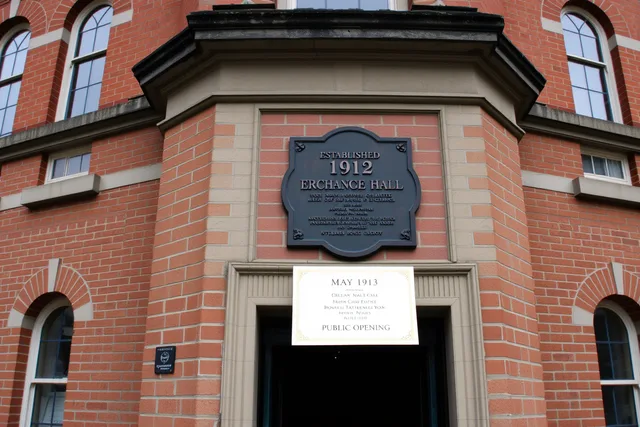
The image records a visible presentation at a specific event and moment. It does not identify every participant, practice, or meaning without further reporting.
Define the assignment
Decide whether the article is an event review, field report, organizer profile, community-arts process story, scene history, policy report, or cultural documentation project. Each form owes different evidence. A review judges what happened; a scene history needs records and voices across time.
Record official and community-used event names, dates, hours, venue boundaries, ticket or entry rules, age rules, schedule version, weather, cancellations, and the periods you attended. If stages overlap, state what you missed.
Prepare without deciding the story
Research organizers, funding, permits, partners, past editions, artist lists, neighborhood context, disputes, and prior coverage. Learn relevant names and terms, then ask participants how they use them. Avoid treating marketing categories as settled cultural identities.
Make a source map that includes organizers, paid artists, volunteers, vendors, technicians, residents, access staff, attendees, critics, and people affected by noise, closures, policing, or cost. Not every story needs every group, but the reporting choice should be conscious.
Observe systems as well as highlights
Use timed field notes. Log location, action, speaker, crowd condition, sound, visibility, route, and your own position. Record transitions, waiting, setup, cleanup, and quiet periods, not only the stage peak.
| Layer | Evidence to collect |
|---|---|
| Program | actual start, duration, substitution, cancellation |
| Space | entrance, route, stage, stall, shade, seating, exit |
| Labor | setup, hosting, interpretation, sound, safety, cleanup |
| Participation | invitation, rules, skill sharing, refusal, observation |
| Commerce | fees, prices, sponsorship, artist payment, sales terms |
| Access | transport, cost, captions, interpretation, sensory conditions |
Attendance requires a method. A ticket scan, gate count, organizer estimate, police estimate, and momentary crowd count measure different things. Name the method and time span.
Interview and document ethically
Explain who you are, what you are making, where it may appear, and whether the conversation is on the record before recording. Do not treat presence at a public event as blanket consent for close portraits, personal testimony, or documentation of sacred, restricted, private, or vulnerable activity.
Verify and correct
- Artist and group names, pronouns, languages
- Work titles, cultural and geographic terms
- Schedules, substitutions, sponsors, grants, ticket prices
- Attendance method, access features, quotations
- Photograph identities and permissions
- Miscredit corrections in captions, schedules, embeds, newsletters, licensed copies
The Library of Congress Folklife and Fieldwork guide recommends bounding cultural documentation by a specific group, tradition or subject, and place, then planning research, interviews, recording, notes, permissions, organization, and preservation. Journalism has its own deadlines, but the same bounded design prevents a festival visit from becoming a claim about an entire culture.
Ask tradition bearers how a practice is learned, changed, shared, restricted, and named. UNESCO's page on what intangible cultural heritage is counts oral traditions, performing arts, social practices, rituals, and festive events as living expressions inherited and passed between generations. Carriers, not a program listing, define a practice.
Ask organizers who decided representation and payment. Ask participants what the event enables and what it simplifies.
Write without turning people into scenery
Give quoted people roles and ideas, not only color. Describe clothing, food, music, movement, language, or ritual when relevant and confirmed. Avoid exoticizing comparisons, claims of authenticity without a speaker, and the assumption that older automatically means unchanged.
Subcultures contain disagreement. Distinguish the scene's self-description from an outside label, and show whose definition you are using. Do not expose private locations, legal names, or identifying details when they create avoidable risk.
Verify and correct
Check artist and group names, pronouns, languages, work titles, cultural and geographic terms, schedules, substitutions, sponsors, grants, ticket prices, attendance method, access features, quotations, photograph identities, and permissions. A miscredit requires corrections in captions, schedules, embeds, newsletters, and licensed copies.
Common questions
Can I photograph anyone at a public festival?
Legal rules vary, and ethical duties go further. Seek permission for close or sensitive documentation and respect stated restrictions.
Is an organizer attendance estimate usable?
Yes when attributed with its method and time span, not presented as an independently verified count.
What makes a community arts project community-led?
Report who initiated it, made decisions, controlled resources, created the work, and can alter or remove it.
Can one participant define a subculture?
No single person speaks for everyone. Attribute definitions and report meaningful disagreement.