Guides
Part of How to write arts criticism and reviews: a practical guide
How to write an art exhibition review from firsthand observation
Art exhibition review method for firsthand observation, object research, visual evidence, critical criteria, argument structure, and final fact-checking.
What to take away
- Visit with an assignment question, then let close observation revise it.
- Record the exhibition as a sequence of spaces, works, labels, sounds, and choices.
- Use visual detail as evidence for interpretation, not as decorative description.
- Judge the exhibition and individual works separately where their success differs.
- Verify object records, quotations, dates, credits, and access information before filing.
An exhibition review evaluates both the works presented and the argument made by their selection, placement, interpretation, and setting. This method begins in the gallery, moves through research, and ends with a fact-checked critical claim.
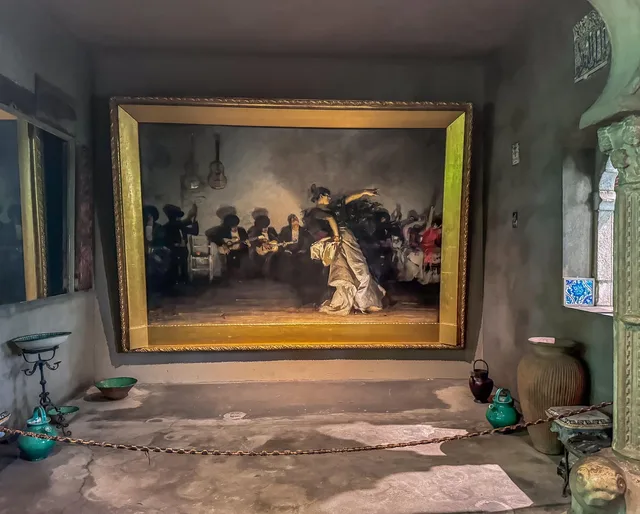
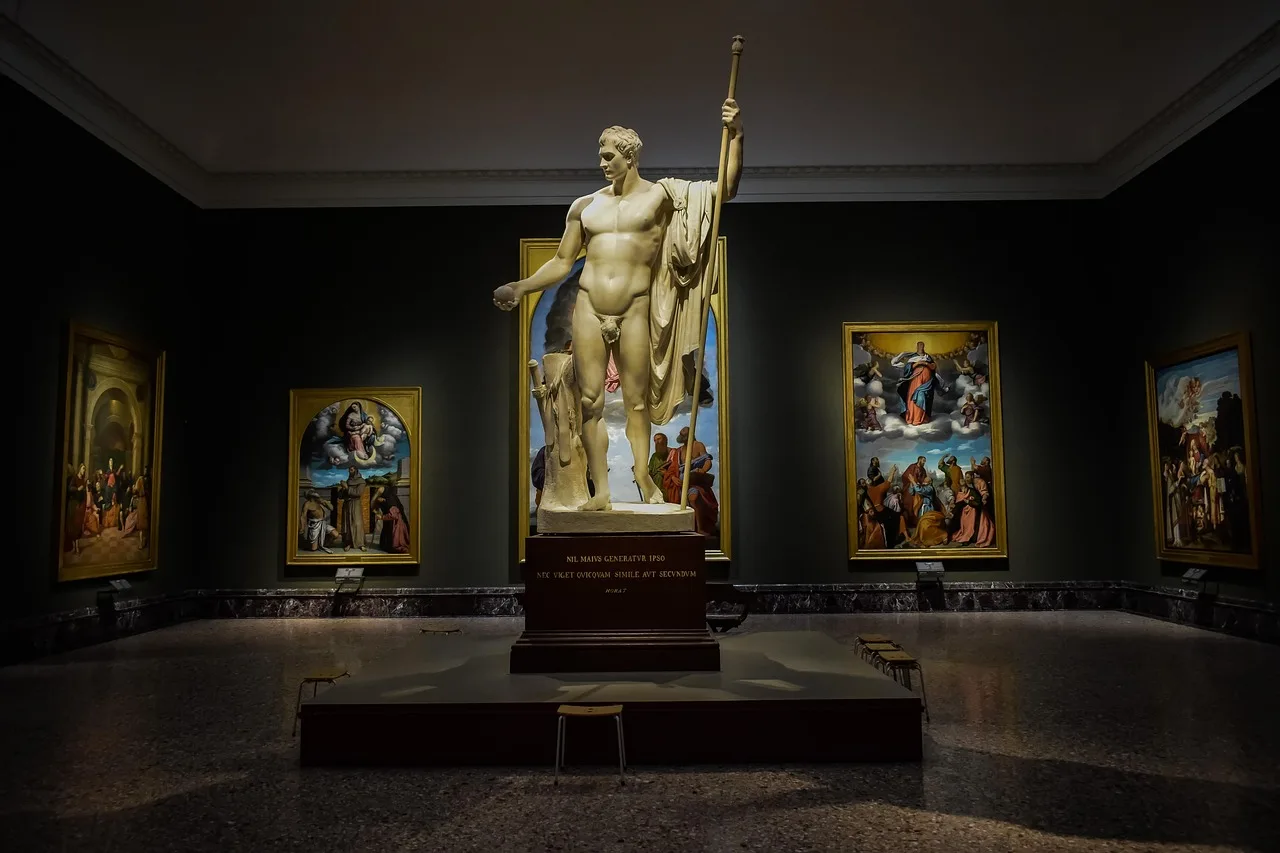
Photo and credit
The photograph documents another exhibition and is not evidence for the fictional examples below.
1. Prepare a visit sheet
Record the exhibition title, venue, curator or organizing body, dates, admission, stated theme, artists, expected media, publication deadline, and whether photography or recording is allowed. Read only enough advance material to understand basic scope. Avoid memorizing the press release's conclusion before seeing the installation.
Visit sheet essentials
- Exhibition title and venue
- Curator or organizing body
- Dates, admission, and hours
- Stated theme and artists
- Expected media and publication deadline
- Photography or recording allowed?
Write two opening questions. Examples: How does the installation connect domestic craft to industrial labor? Does the show support its claim to revise a familiar history? Questions keep observation directed without forcing a verdict.
2. Make a first pass without drafting
Move through the intended entrance and note the first demand on attention. Record room sequence, wall color, lighting, sound bleed, sight lines, density, seating, label placement, accessibility, and transitions. Mark where the route is clear or ambiguous.
First-pass observation points
- Room sequence and transitions
- Wall color and lighting
- Sound bleed and sight lines
- Density and seating
- Label placement and accessibility
- Where the route is clear or ambiguous
Notice your own pace and changes in attention. Do not confuse personal fatigue with a formal weakness until you can identify what in the exhibition produced it.
3. Make a second pass through key works
Choose several works that establish, complicate, or contradict the exhibition's argument. Record exact titles, dates, artists, media, and dimensions. Note lender or collection and label claims. Describe what is visible before interpreting it.
Key work record
- Exact title and date
- Artist and media
- Dimensions
- Lender or collection
- Label claims
- Visible description before interpretation
UNC's writing center handout on art history assignments makes that order explicit. Careful description of the object is evidence, and interpretation is built and defended on it.
The Getty's vocabulary for describing an artwork defines line, shape, form, space, color, texture, balance, emphasis, movement, pattern, repetition, proportion, rhythm, unity, and variety. Use such terms only when they identify a consequential choice. Naming "contrast" matters when you explain what the contrast does.
For time-based work, note duration, loop point, entry conditions, sound, seating, and how much you experienced. For performance or participatory work, distinguish your encounter from the full possible work.
4. Separate three objects of judgment
Create notes under three headings:
Separate three objects of judgment
| Object | Question |
|---|---|
| Individual work | What does this work attempt and accomplish? |
| Curatorial argument | What claim emerges from selection and context? |
| Visitor experience | How do sequence, labels, access, and design shape understanding? |
A strong work can be poorly placed. A persuasive curatorial idea can include weak examples. A beautiful installation can obscure difficult history. Keep those judgments distinct before connecting them.
5. Research the pressure points
After the visit, verify the facts that bear on your interpretation. Use object records, catalog essays, creator statements, archival material, prior scholarship, and interviews. Trace a historical claim to its source. Ask whose account the wall text treats as authoritative and whose evidence is missing.
If provenance, attribution, restitution, community consent, or sacred knowledge is material, report it with qualified sources. Do not turn an incomplete ownership record into an accusation, or an institutional label into settled fact.
6. Draft a one-sentence argument
Write a sentence containing the exhibition's aim, the method by which it pursues that aim, and your judgment. For example: "By pairing repair records with damaged household objects, the exhibition makes maintenance visible, but its anonymous labels repeat the erasure it claims to challenge."
Test each part against observed and reported evidence. A thesis should organize the review, not consume every work.
7. Structure the review
One workable sequence is:
Structure the review
- a specific encounter that introduces the question
- essential exhibition facts and thesis
- spatial or conceptual route through representative works
- context that changes how those works can be read
- a counterexample or tension
- final evaluation and practical visit information
Quote labels sparingly and identify them. Translate specialist language or replace it with direct prose. Do not list every artist to prove attendance.
8. Run the final checks
Check the work in front of the image or notes, not from memory alone. Verify spelling, pronouns, titles, dates, media, dimensions, roles, quotations, translations, admission, hours, end date, access, credits, and disclosure. Confirm whether the reviewed installation changed after your visit.
Common questions
How many works should a review discuss?
Enough to test the argument. A focused review may analyze three works closely and name others only when they change the pattern.
Should the review follow gallery order?
Only when that route carries the argument. Conceptual, thematic, or comparative structures may be clearer.
Can labels be criticized?
Yes. Treat them as authored interpretive material and quote accurately. Ask what information their audience needs and what they omit.
What if the exhibition changes after the visit?
Identify the visit date and confirm material changes with the venue. Update practical information and explain changes that affect the judgment.