
Rules
Part of Museum and exhibition reporting: a field guide
Common museum coverage problems and practical fixes
Museum coverage problems and fixes for press-release copy, object errors, loan confusion, weak spatial description, access overclaims, conflicts, and stale details.
What to take away
- Diagnose the evidence failure before polishing the prose.
- Replace institutional slogans with identified claims and observable choices.
- Keep ownership, custody, loan, and display status distinct.
- Report accessibility feature by feature and route by route.
- Update changing facts without rewriting what the reporter observed on a dated visit.
Weak museum coverage usually fails in one of three places: the assignment asks the wrong question, the reporting does not support the conclusion, or the language makes the evidence sound stronger than it is. The fixes below are editorial repairs, not cosmetic substitutions.
Problem: the article repeats the press release
Symptom: The opening uses phrases such as "landmark," "immersive," or "unprecedented" without showing who made the claim or what evidence supports it.
Fix: Extract factual leads from the release. Verify dates, credited roles, object counts, lenders, and historical claims. Attribute the institution's stated aim, then test it against the installed selection and visitor experience.
Problem: the story confuses ownership and display
Symptom: A borrowed object is described as part of the venue's collection, or a temporary custodian is called the owner.
Fix: Copy the exact lender line and check a current record. Use separate terms for owner, lender, borrower, custodian, and display venue. If privacy rules conceal a lender, report the displayed wording without filling the gap.
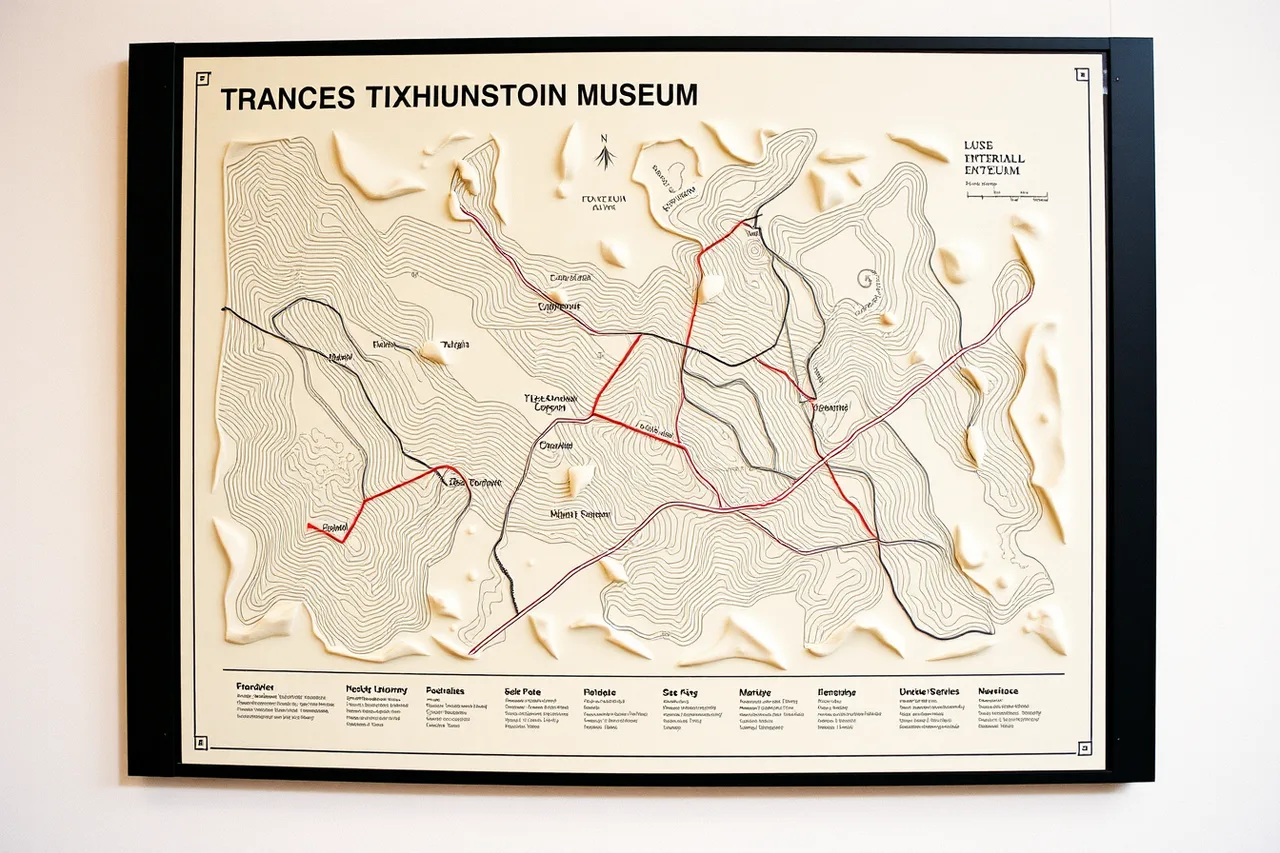
The National Museum of American History's page on tactile elements and accessible exhibition features lists features by exhibition, including tactile maps, captioned audiovisual content, visual descriptions, tactile access, QR or NFC delivery, and wheelchair-accessible paths. This specificity models a sound editorial habit: name the feature and location rather than granting an institution one broad label.
Problem: the writer reviewed the plan, not the result
Symptom: The article describes a press rendering, checklist, or curator's intention as if it were the completed installation.
Fix: State what the writer saw and when. Compare the plan with the installed result only when both are documented. If the work was unfinished, convert the assignment to a preview or return after completion.
Problem: a room-by-room tour replaces an argument
Symptom: The copy proceeds from Gallery 1 to Gallery 8 but never explains why the sequence matters.
Fix: Identify two or three curatorial choices with consequences. Group evidence around selection, sequence, contrast, scale, or omission. Mention rooms when their placement carries meaning, not because the writer walked through them.
Problem: labels are treated as neutral fact
Symptom: A contested identity, date, or historical conclusion moves from wall text into the article without attribution.
Fix: Treat the label as evidence of the museum's interpretation. Check collection records, catalog notes, qualified scholarship, and responsible responses. Preserve words such as "possibly" or "attributed to." If sources disagree, explain the disagreement rather than choosing a clean answer.
Problem: accessibility becomes a single yes-or-no claim
Symptom: The story calls a venue accessible because it has an elevator, or inaccessible because one apparent route was blocked.
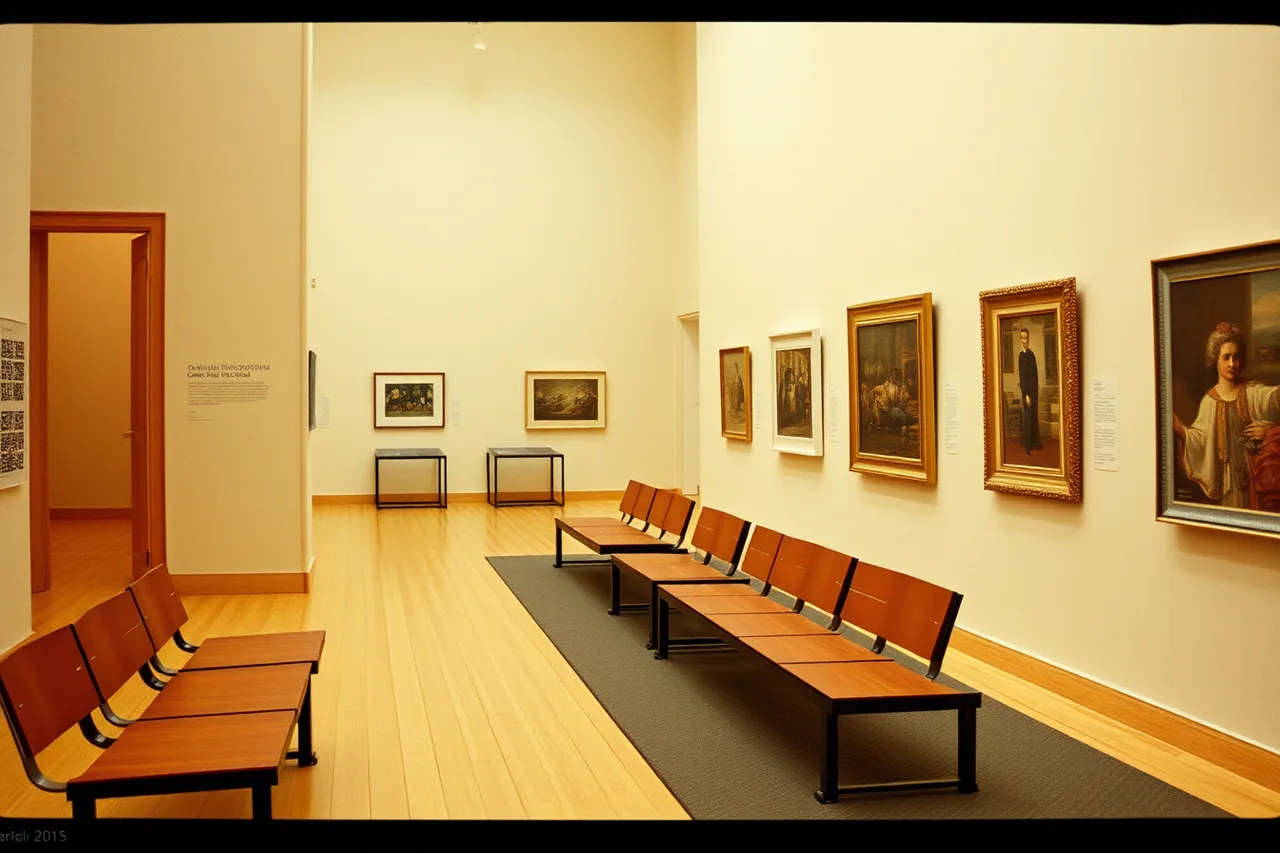
Fix: Report the relevant route, gallery, feature, and date. Check step-free circulation, door clearances, seating, viewing heights, captions, transcripts, label legibility, tactile or audio options, sensory information, and staff procedures as applicable. State what the writer tested and what came from an institutional source.
The National Museum of the American Latino explains its universal design approach for the Molina Family Latino Gallery, including bilingual content, circulation, furniture and viewing heights, cane detection, label design, and QR-delivered visual description and audio text. Those details show why access reporting should examine integrated choices instead of searching for one symbolic feature.
Problem: object absence is turned into motive
Symptom: A missing work is described as censorship, lender pressure, or curatorial avoidance without evidence.
Fix: Confirm that the work was expected in the version reviewed. Ask whether the reason was conservation, shipping, rights, installation, a lender decision, or an editorial change. Report a motive only when a responsible source or record establishes it.
Problem: a temporary fault becomes a permanent verdict
Symptom: One broken screen, dark projector, missing caption file, or closed lift defines the whole review.
Fix: Record the time and observable fault. Notify staff or request comment. Explain the effect on the visit and note whether the institution repaired it before publication. Do not erase the visitor's experience, but do not misstate its duration.
Problem: privileged access goes undisclosed
Symptom: A writer receives private viewing time, travel, accommodation, or unusual access that readers could mistake for the ordinary visitor experience.
Fix: Disclose material conditions plainly. Separate what happened during a press visit from what public visitors can expect. Reassign the piece when a relationship or benefit makes independent judgment implausible.
Problem: practical details go stale
Symptom: Hours, prices, closing dates, reservation rules, or available access services change between filing and publication.
Fix: Check changeable details at the final edit. Use a dated update when they change afterward. A review can preserve what was true during the visit while a service note gives readers current information.
A repair table
Evidence problem
- "The museum proves..."
- Institution and writer merged
- "The collection owns..."
- Status unclear
- "Fully accessible"
- Scope too broad
- "The artist intended..."
- Mind-reading
- "Visitors felt..."
- Unsupported consensus
Better move
- "The museum proves..."
- Identify the museum's claim, then assess it
- "The collection owns..."
- Verify owner, lender, and accession status
- "Fully accessible"
- Name tested features, route, gallery, and date
- "The artist intended..."
- Quote a source or describe the observable effect
- "Visitors felt..."
- Report a valid study or identify limited interviews
Common questions
Can strong criticism rely on one object?
Yes, if that object clearly exposes a wider selection or installation choice. The article should explain why it is representative.
Should a museum approve factual descriptions?
No. A reporter may check disputed technical details or seek a response, but editorial control remains with the publication.
Is an unavailable lift always newsworthy?
It is material when it blocks access or contradicts a current public promise. Check the scope, duration, alternative route, and response.
How should a changed label be handled?
Preserve the original wording and visit date, verify the change, and add a clear update or correction according to what was wrong.
![Collectie / Archief : Fotocollectie Anefo Reportage / Serie : [ onbekend ] Beschrijving : Architecte Luzia Hartsuyker-Curjel achter de tekentafel Annotatie : Opdracht Vakwerk Datum : 2 juli 1987 Trefwoorden : architecten, portretten, tekentafels Persoonsnaam : Hartsuyker, Lucia, Hartsuyker-Curjel, L. Common architecture and design coverage problems](/covers/common-architecture-design-coverage-problems-640.webp?v=66612623)