

Rules
Part of Books and literary culture reporting: a practical guide
Common literary coverage problems and practical fixes
Literary coverage fixes for summary-heavy reviews, edition errors, wrong quotations, biography myths, conflicts, archive overclaims, and rights confusion.
What to take away
- Diagnose whether the draft lacks reading, reporting, edition control, or clear criteria.
- Replace jacket language with the publication's own description and evidence.
- Keep the author, narrator, speaker, translator, and editor distinct.
- Quote from the edition reviewed and preserve version differences.
- Treat archives and rights as documented systems rather than romantic shortcuts.
Weak literary coverage often contains plenty of plot and praise but little evidence for its judgment. These repairs focus on the point where the reporting promise breaks.
Problem: summary takes over
Symptom: The review retells chapters in order and adds a verdict near the end.
Summary-heavy review vs. fixed review
Weak review
- Opening
- Retells chapters in order
- Middle
- Plot events accumulate
- Evidence
- Several events listed
- Verdict
- Dropped in near the end
Repaired review
- Opening
- States critical claim in one sentence
- Middle
- Only needed plot or argument
- Evidence
- Close analysis of a passage
- Verdict
- Claim carried throughout
Fix: State the critical claim in one sentence. Keep only the plot or argument needed to understand it. Replace several events with close analysis of a passage, structural turn, image, or evidentiary choice.
Problem: the blurb becomes the thesis
Symptom: "Urgent," "lyrical," "sweeping," or "necessary" moves from jacket copy into the review without examination.
Fix: Identify the publisher's description when it matters. Build the publication's language from the text. Explain what syntax, structure, scope, or evidence earns or resists the advertised quality.
Problem: author and narrator merge
Symptom: A fictional first-person statement is reported as the author's belief or biography.
Fix: Name the narrator or speaker. Claim autobiography only when the work, author, or reliable reporting establishes it. Even memoir uses selection, scene, structure, and voice that deserve analysis.
Problem: one edition stands for all editions
Symptom: The article quotes an introduction missing from the original, assigns one translator's wording to the author, or gives paperback pagination for an ebook.
Record the copy before reading
- Name the translator and added contributors
- Note introduction or apparatus not in original
- Check quotations against this version
- Check page references against this version
- State meaningful differences, do not smooth them
Fix: Record the copy before reading. Name the translator and added contributors. Check quotations and page references in that version, then state meaningful differences rather than smoothing them away.
Problem: biography explains every line
Symptom: A life event becomes the automatic meaning of a poem or scene.
Fix: Treat biography as context with its own evidence. Return to the work's language and form. Allow invention, persona, ambiguity, and contradiction unless the assignment has established a direct documentary link.
Problem: the critic has not read the whole book
Symptom: The copy hides an incomplete reading behind general language or discusses only the publisher's excerpt.
Fix: Do not publish a conventional review. Change the form to an excerpt analysis, preview, or reported note and state its limited object. Completion is part of the review's evidence burden.
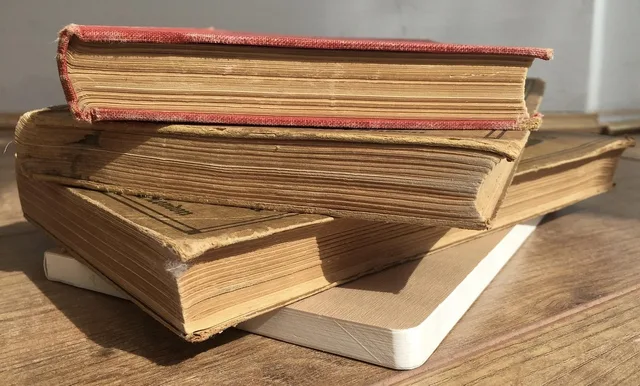
Problem: access damages a rare book
Symptom: Reporting pressure encourages flattening a tight binding, using pens near pages, forcing folds, or handling fragile material without staff direction.
Fix: Follow repository rules and request supports or staff help. The Library of Congress guide to handling books safely recommends a clean, unobstructed work area and clean, dry hands, while explaining that gloves can reduce tactile control and make page turning clumsier. Object care comes before a photograph or deadline.
Problem: a finding aid becomes firsthand evidence
Symptom: The writer says an archive "reveals" something after reading only a collection description.
Archive notes: route back to the item
- Collection and series
- Box and folder
- Document date and page sequence
- Repository and access date
- Flag archivist-supplied folder titles
- Distinguish draft from final, carbon from original
- State when inspection was remote
Fix: Attribute the finding aid and identify what it describes. State which boxes, folders, pages, or digital objects were inspected. Seek corroboration for handwriting, dates, identities, and chronology.
Archive notes should preserve a route back to the item. Record collection, series, box, folder, document date, page sequence, repository, and access date. If a folder title was supplied by an archivist rather than the creator, do not quote it as the creator's description. Distinguish an undated draft from a final manuscript and a carbon copy from a signed original.
Digitized access adds another layer. Confirm that a scan contains the full document, preserves page order, and belongs to the described record. A clipped margin or missing verso can change a quotation's context. State when inspection was remote and request help rather than guessing at illegible words.
Problem: quotation length is treated as a safe harbor
Symptom: The desk assumes a fixed word count or percentage makes any excerpt lawful.
Fix: Use only the text the criticism needs and assess purpose, nature, amount and substantiality, and market effect with qualified legal review where necessary. Stanford's explanation of fair use warns that there are no hard-and-fast rules, only general guidelines and varied court decisions. No house number replaces that analysis.
Problem: disclosure is treated as a cure-all
Symptom: A reviewer discloses a close friendship, blurb, shared financial interest, or active rivalry and proceeds as though the relationship no longer matters.
Fix: Ask whether an informed reader would trust the assignment and whether another critic can do it. Reassign when independence cannot be restored. Disclosure is information, not permission.
Problem: a prize claim outruns its status
Symptom: A submission becomes a nomination, a longlist becomes a finalist spot, or a category win becomes an overall prize.
Fix: Check the prize's terminology, category, eligibility year, announcement, and current status. Correct promotional descriptions that use broader words.
Repair table
| Weak wording | Failure | Repair |
|---|---|---|
| "The author tells us" | Narrator and author merged | Name the speaker and analyze the frame |
| "The definitive edition" | Unsupported completeness | Identify editor, sources, changes, and claim maker |
| "The archive shows" | Access unclear | Name the finding aid or inspected item |
| "Fair use under 300 words" | Invented rule | Apply the statutory factors and seek advice |
| "Award-nominated" | Status vague | Name prize, category, year, and exact stage |
Common questions
Can a negative review be fair without an author interview?
Yes. Close reading and accurate context can support criticism. Seek a response when the article makes consequential factual allegations.
Should reviewers wear gloves for old books?
Follow repository instructions. Clean, dry hands often provide safer control for ordinary paper, while special materials may require different handling.
Is a publisher biography reliable?
It is a supplied source. Verify consequential facts and attribute disputed or promotional claims.
Can a finding aid be cited?
Yes. Identify it as the source and do not imply that you inspected underlying documents you did not see.



![Collectie / Archief : Fotocollectie Anefo Reportage / Serie : [ onbekend ] Beschrijving : Architecte Luzia Hartsuyker-Curjel achter de tekentafel Annotatie : Opdracht Vakwerk Datum : 2 juli 1987 Trefwoorden : architecten, portretten, tekentafels Persoonsnaam : Hartsuyker, Lucia, Hartsuyker-Curjel, L. Common architecture and design coverage problems](/covers/common-architecture-design-coverage-problems-640.webp?v=66612623)