
Rules
Part of Film and television criticism: a practical guide
Common film and television criticism problems
Film and television criticism problems and fixes for plot-heavy copy, vague craft claims, credit errors, version confusion, forced consensus, access gaps, and hype.
What to take away
- Replace plot volume with scene-level evidence.
- Name the craft before crediting the person responsible for it.
- Treat viewing versions and technical conditions as part of the record.
- Do not convert personal response into audience consensus.
- Keep preservation, restoration, ownership, and access claims separate.
Most weak screen criticism is not short of opinion. It is short of visible reasoning. The repair is to connect a judgment to a formal choice, verify the factual frame, and narrow any claim the evidence cannot carry.
Problem: the review retells the story
Symptom: The draft follows the plot in order and adds adjectives at turning points.
Fix: Write the argument in one sentence. Keep only the story facts needed to understand that argument. Replace a block of summary with close analysis of one scene's framing, sound, editing, performance, or design.
Problem: every visual choice belongs to the director
Symptom: The director is praised for costumes, cutting, sets, lighting, music, and effects while other credited crafts disappear.
Fix: Check the credits and describe collaboration precisely. If production reporting does not establish who proposed a choice, write about what the finished work does rather than inventing a chain of command.
Problem: the version is invisible
Symptom: The article discusses color, duration, ending, subtitles, or effects without identifying the cut and viewing conditions.
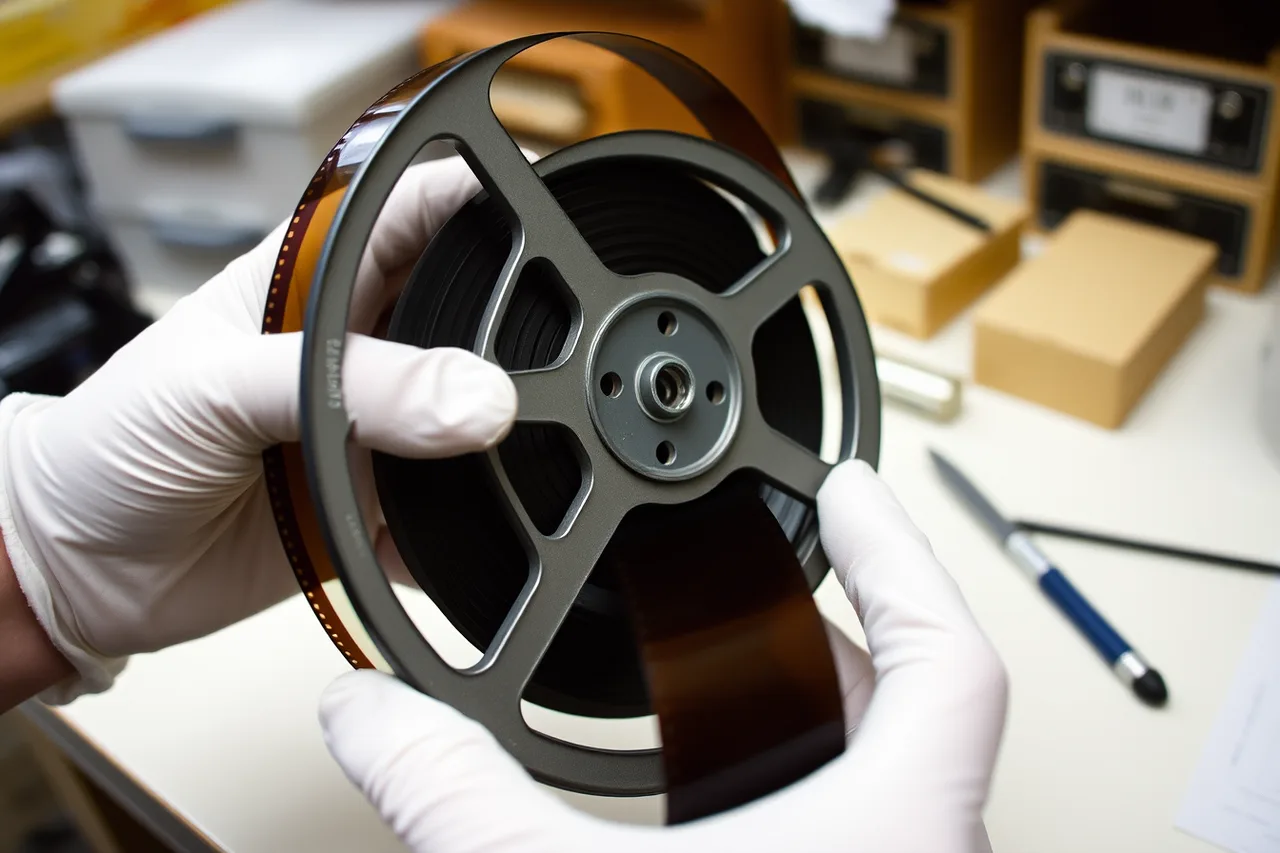
Fix: Add a version line to the notes and disclose material limits. Rewatch a final release when an unfinished screener carries warnings that affect the judgment.
Physical versions need care and identification. The Library of Congress guide to care, handling, and storage of motion-picture film distinguishes material needs. It recommends clean handling, edge contact, maintained playback equipment, suitable enclosures, and stable storage.
A critic need not become a conservator but should not call damage, color loss, or projection failure an artistic choice without checking the source and presentation.
Problem: technical language replaces observation
Symptom: Terms such as mise-en-scene, montage, lens compression, or diegetic sound appear without explaining the visible or audible consequence.
Fix: Describe first. Name the term only if it makes the relationship clearer. A reader should understand the claim even without a production glossary.
Problem: a reaction becomes universal
Symptom: "The audience is bored" means the critic was bored, or a few social posts are presented as consensus.
Fix: Use first-person sparingly but honestly. Report audience response only through valid observation, interviews, or research with an identified scope. Do not turn applause at one screening into reception history.
Problem: representation is reduced to arithmetic
Symptom: The review counts characters but does not examine point of view, agency, interiority, stereotype, consequence, or production context.
Fix: Pair relevant counts with formal and narrative analysis. Ask who is allowed to know, act, change, speak, desire, fail, and remain unresolved. Support historical comparisons with research rather than memory.
Problem: accessibility is mentioned but not tested
Symptom: The platform lists captions, so the review assumes they are accurate and usable.
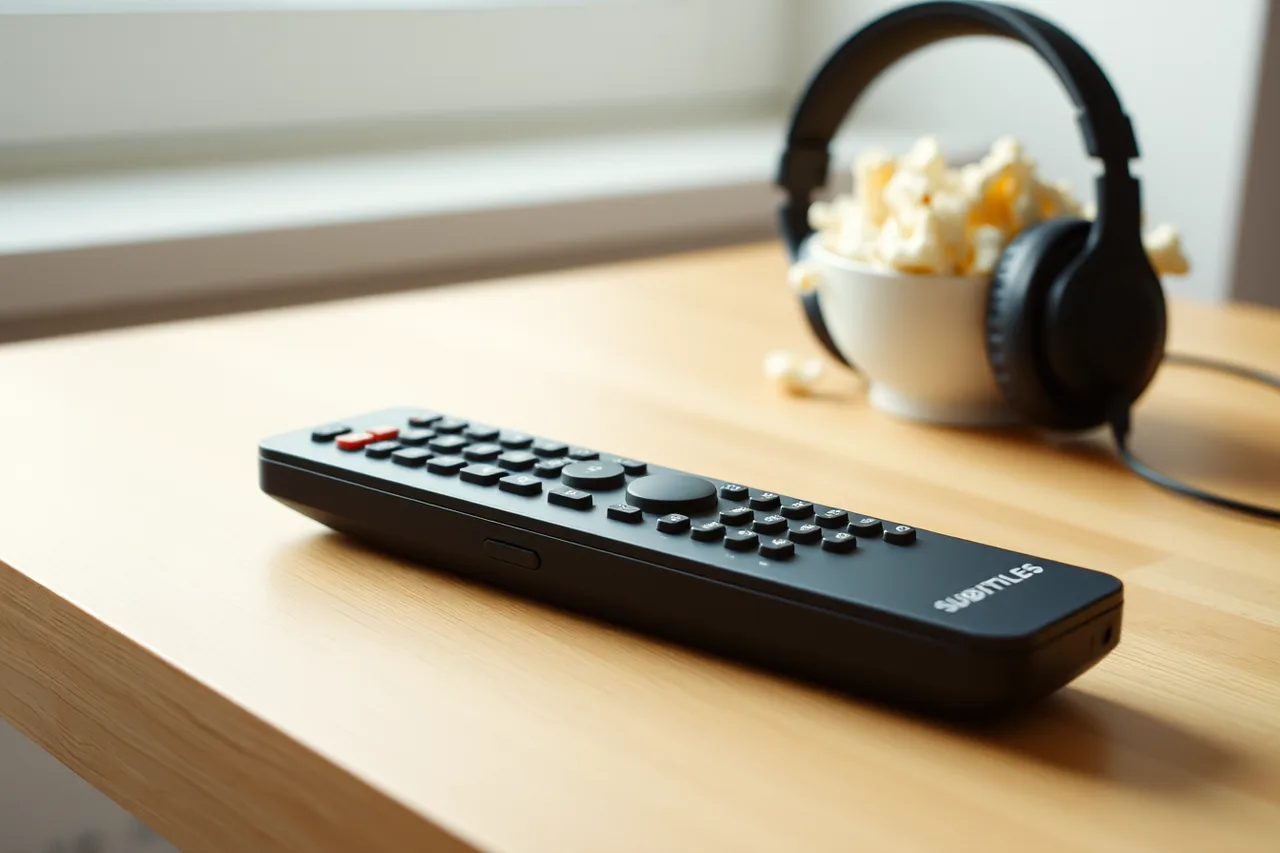
Fix: Record the selected language and feature. Check speaker identification, sound cues, timing, readability, and whether controls can be found. Treat subtitles, closed captions, and audio description as different tracks.
Problem: restoration means definitive
Symptom: A release is called the original or final version because it is newly restored.
Fix: Ask which elements, edit, soundtrack, color reference, aspect ratio, and missing materials were used. Identify who made restoration decisions. Compare stated evidence, and preserve uncertainty where several historical versions exist.
The National Film Preservation Board's mission statement addresses survival, conservation, public availability, preservation planning, and the National Film Registry across film, videotape, television, and born-digital moving images. Preservation is therefore larger than placing a familiar feature in a clean new release.
Problem: context becomes an excuse
Symptom: A difficult production, low budget, political aim, or technological first is offered as proof that the work succeeds.
Fix: Report context accurately, then return to the finished work. Constraint can explain a choice without settling its effect. Good intention can matter ethically without guaranteeing good art.
Problem: the headline outruns the review
Symptom: Measured criticism becomes "masterpiece," "disaster," "best ever," or "everyone is talking about it" in packaging.
Fix: Fact-check the headline as part of the article. Preserve the review's scope, version, and degree of certainty. Avoid claims about audience scale unless verified.
Repair table
| Weak sentence | Failure | Repair |
|---|---|---|
| "The camera loves her" | Vague personification | Describe framing, distance, light, and duration |
| "Viewers will hate the ending" | Invented consensus | State the critic's judgment and evidence |
| "The director's costumes" | Credit error | Verify and name the costume designer |
| "The restored original" | Version overclaim | Identify sources, edit, and restoration choices |
| "Captions available" | Feature untested | Name language, version, platform, and test |
Common questions
Is plot summary always weak?
No. It becomes weak when it replaces analysis or reveals more than the argument needs.
Can a critic discuss projection quality?
Yes. Record the venue, date, observable issue, and response before deciding whether the source or presentation caused it.
Should criticism avoid technical terms?
No. Use them accurately and explain the consequence they help identify.
Can an old review be updated for a restoration?
Add a new review or clearly dated note when the version materially changes. Do not silently make old observations sound current.





![Collectie / Archief : Fotocollectie Anefo Reportage / Serie : [ onbekend ] Beschrijving : Architecte Luzia Hartsuyker-Curjel achter de tekentafel Annotatie : Opdracht Vakwerk Datum : 2 juli 1987 Trefwoorden : architecten, portretten, tekentafels Persoonsnaam : Hartsuyker, Lucia, Hartsuyker-Curjel, L. Common architecture and design coverage problems](/covers/common-architecture-design-coverage-problems-640.webp?v=66612623)